
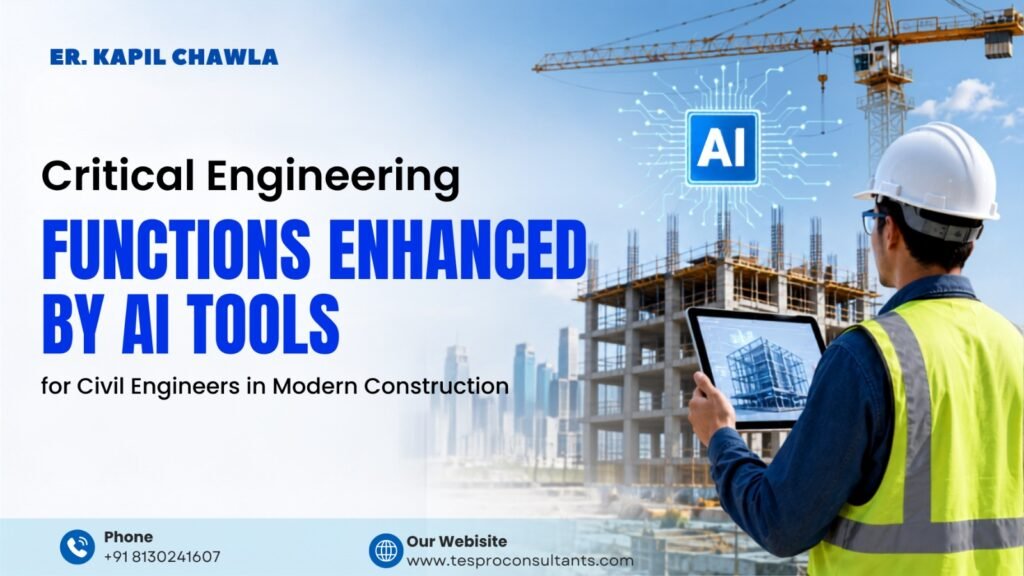
On a construction site, decisions rarely wait. A structural engineer may be checking a beam while the design team reviews drawings and the site team waits for an answer. Every hour matters, and even a small oversight can affect the schedule, cost, or safety of a project.
Today, AI is becoming another tool on the engineer’s desk. AI tools for civil engineers are not replacing engineering judgment. Instead, they help professionals process information faster, spot patterns, compare options, and spend more time on decisions that require experience.
From First Sketch to Smarter Design Decisions

Early design is full of possibilities. Engineers may need to compare layouts, materials, structural systems, and site constraints before settling on a practical direction.
With AI building design, software can evaluate multiple design possibilities against selected parameters. An engineer can then review the alternatives, reject impractical options, and develop a solution that makes sense for the project.
This can be especially useful during civil engineering design projects, where changing one design decision may influence several other elements.
Let Structural Checks Find the Quiet Problems
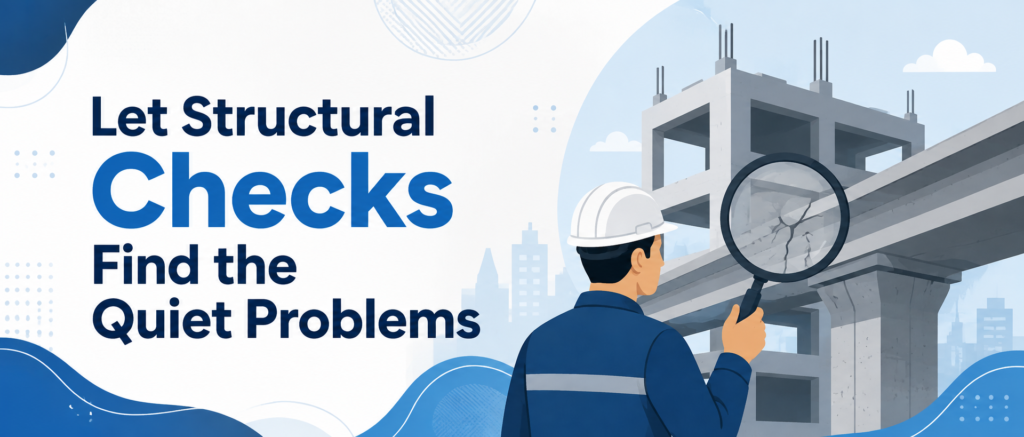
A calculation that looks correct at first glance can still contain an overlooked relationship between loads, dimensions, or materials. This is where AI in structural design can support engineers.
AI-assisted systems can examine large sets of design information and highlight unusual patterns or areas that deserve another look. In structural analysis in civil engineering, this can help engineers investigate potential weaknesses earlier and compare different structural responses.
The final decision, however, remains with qualified professionals who understand the project’s requirements and applicable standards.
Turning Site Data Into Useful Signals
Construction generates enormous amounts of information. Drawings, inspection records, schedules, sensor readings, photographs, material data, and progress reports can quickly become difficult to manage manually.
AI can help organise and interpret this information, making it easier to identify delays, recurring issues, or changes that may need attention. For civil engineering companies, this can create a clearer connection between design decisions and what is actually happening on site.
Useful applications can include:
- Tracking construction progress
- Identifying repeated quality issues
- Reviewing project documentation
- Comparing planned and actual activities
- Supporting maintenance and inspection decisions
An Additional Layer of Engineering Review
During civil engineering structural design, AI-assisted tools can review drawings, specifications, calculations, and related project data at speed. They may identify inconsistencies or suggest areas for further investigation.
Think of it as having another set of eyes during a busy project. It can point toward something worth checking, but an engineer still needs to examine the detail before accepting the suggestion.
Engineers must verify assumptions, check standards, and use professional judgment before approving any design.
When Designs Meet Real-World Constraints
A technically strong design still has to work in the real world. Budget, constructability, available materials, local conditions, deadlines, and client requirements all influence engineering decisions.
The AI in construction industry conversation is therefore moving beyond simple automation. AI can help teams compare alternatives and understand how different choices may affect a project. Engineers can use these insights while balancing practical constraints that software cannot fully understand on its own.
Keeping Human Expertise at the Centre
The most useful role for AI is not taking control of engineering decisions. It is reducing repetitive work and giving professionals better information to work with.
When AI tools for civil engineers handle time-consuming comparisons, data processing, or preliminary checks, engineers can focus more closely on design intent, safety, coordination, and problem-solving.
That balance matters because construction projects involve conditions that cannot always be predicted from historical data. Experience remains essential when circumstances change or a solution needs creative thinking.
The Next Step Is Better Engineering, Not Less Engineering
AI is changing how modern construction teams approach design, analysis, documentation, and project coordination. For civil engineering companies handling demanding projects, combining engineering knowledge with AI-assisted workflows can improve efficiency while creating more opportunities to review alternatives and catch issues early.
This approach can make complex projects easier to review, coordinate, and deliver with confidence.
The future of construction will not belong to technology alone. It will belong to professionals who know how to use technology intelligently, question its output, and apply sound engineering judgment when it matters most.
For TESPRO Consultants, embracing these evolving tools means helping engineering teams approach modern projects with greater clarity, efficiency, and confidence.
Looking to strengthen your next engineering project with smarter design and technology-driven solutions? Connect with TESPRO Consultants for expert civil engineering support.
Explore more: If planning to build your dream home?
Check out Eternal Foundations—a helpful guide to building a strong, safe home that lasts for generations.
📩 For a free e-book, email me at kapil.chawla@tesproconsultants.com