
tespro consultants

admin

6 Concrete Strength Testing Methods to Ensure Concrete Quality on Site

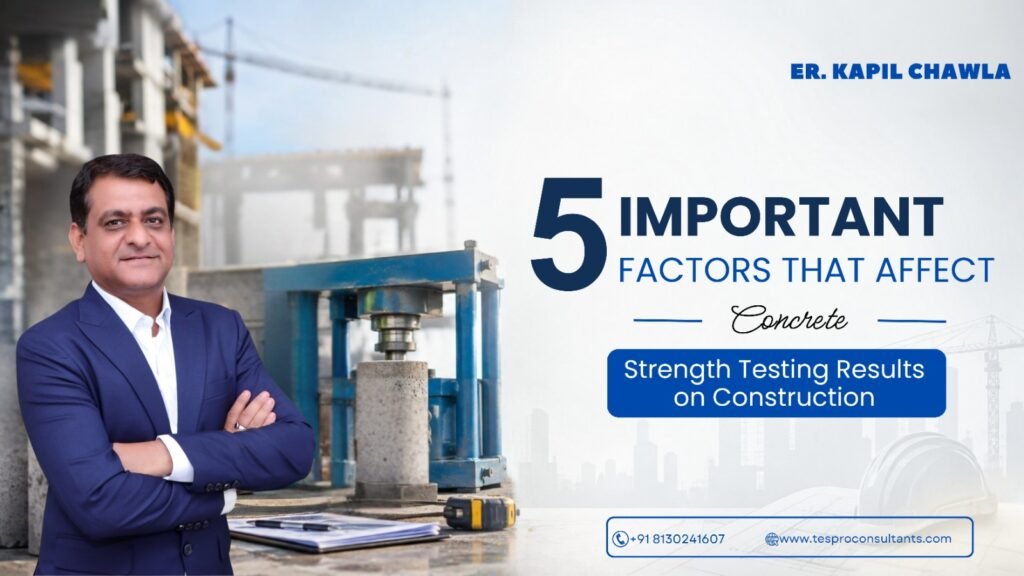
Concrete is one of the most commonly used materials in construction all over the world. Because of that, checking its quality and strength becomes very important for the safety and long life of any structure. On-site testing helps engineers understand whether the concrete is performing as expected or not. So, concrete strength testing methods are used to check the condition and reliability of concrete during construction. Here, we will look at six simple and widely used methods that help in checking concrete strength and quality directly at the site. Understanding Concrete Strength Basics 6 Concrete Strength Testing Methods There are several methods to test concrete strength, each offering unique advantages. Let’s look at six of the most commonly used concrete strength testing methods. Choosing the Right Testing Method on Site Choosing the correct concrete strength testing methodsis crucial for accurate results and ensuring the safety and reliability of a structure. Each method has its strengths, so it’s essential to choose the one that aligns with your project requirements. Factors like the age of the concrete, the nature of the structure, and the level of accuracy needed should guide your decision. For more information on how to calculate concrete compressive strength and expert guidance on concrete quality testing, and concrete strength methods, contact Er. Kapil Chawla of TESPRO Consultants. With years of experience in the field, provides professional advice to ensure your construction projects meet the highest quality standards. Explore more: If planning to build your dream home?Check out Eternal Foundations—a helpful guide to building a strong, safe home that lasts for generations. 📩 For a free e-book, email me at kapil.chawla@tesproconsultants.com
Five Major Types of Footing Design You Should Know Before Construction

Before starting any construction, it is important to understand the types of footing design, because a strong base supports the entire structure. The footing is the lowest part of the building, so it transfers the load safely to the soil. Many people ask what the purpose of footing in construction is, and the simple answer is stability and safety. Also, knowing foundation design basics helps in choosing the right type. Engineers focus on structural foundation design to avoid cracks and failure, and systems like raft footing design or isolated footing design are selected based on site needs. Key Factors Engineers Check Before Choosing Footing Engineers follow a practical approach because the correct selection reduces risk and cost. They study types of footing design using foundation design basics and apply proper structural foundation design rules. Also, understanding the purpose of footing in construction helps in making better decisions, and options like raft footing design and isolated footing design are chosen based on these factors. Five Major Types of Footing Design Explained There are five main types of footing design, and each one is used for different site and load conditions. So, engineers select based on foundation design basics and project needs. Isolated Footing (Single Column Support) Combined Footing (Two Columns Together) Strip Footing (Wall Support) Raft (Mat) Footing (Full Area Coverage) Pile Footing (Deep Foundation) All of these are part of structural foundation design, and understanding the purpose of footings in construction helps select the right one. Comparison Between Different Footing Types Below is a simple comparison table to help you clearly understand the different types of footing and structural foundation design principles. Footing Type Load Capacity Soil Suitability Cost Level Complexity Isolated Footing Low to Medium Strong soil Low Simple Combined Footing Medium Medium soil Medium Moderate Strip Footing Medium Uniform soil Low Simple Raft Footing High Weak soil High Complex Pile Footing Very High Very weak soil Very High Highly Complex This comparison shows why knowing what the purpose of footing in construction is is important, because engineers choose between options like raft footing design and isolated footing design based on project needs. When Do You Need Expert Structural Consultation? You should consult experts early so that mistakes can be avoided and safety can be improved. Professionals follow major types of footing design with strong foundation design basics and accurate structural foundation design. Expert Guidance You Can Trust For safe and reliable construction, connect with Er. Kapil Chawla from TESPRO Consultants. He provides practical solutions in structural design, so your project stays strong, stable, and cost-efficient. Explore more: If planning to build your dream home?Check out Eternal Foundations—a helpful guide to building a strong, safe home that lasts for generations.📩 For a free e-book, email me at kapil.chawla@tesproconsultants.com

7 common types of slab design

7 common Types of Slab Design Every Construction Project Depends On

A foundation is vitally important to every building project. A concrete slab is a level surface with four walls that will hold weight from above. Therefore, selecting the proper slab design will keep a structure durable for years. A poorly constructed slab can lead to deterioration and expensive repairs later on. Therefore, knowledge of types of slab design will provide engineers and developers with the tools necessary to better select designs that provide safety over time. Factors to Consider Before Choosing a Slab Design Selecting a slab isn’t just about looks; it is about physics and budget. Many factors influence which different slab types will work best for your specific site. 7 Common Types of Slab Design There are many ways to build a floor, each serving a unique structural purpose in a project. We will now look at seven common slab design for houses and commercial buildings used today. 1. Conventional Slab This is the most common type used in small buildings and homes. It is supported by beams and columns. 2. Flat Slab A flat slab does not use beams; instead, the concrete sits directly on the columns. This provides a clean, flat ceiling underneath. 3. Waffle Slab (Grid Slab) This slab looks like a grid or a waffle from underneath because it has deep ribs running in both directions. 4. Ribbed Slab (Joist Slab) 5. Hollow Core Slab These are pre-made concrete planks that have long holes or “cores” running through the middle. 6. Precast Slab These slabs are cast in a factory environment and then shipped to the construction site for assembly. 7. Post-Tensioned Slab This design uses high-strength steel cables that are tightened after the concrete has hardened. Comparison of Different Slab Types Each project has different needs, so comparing these options is the best way to find the right fit. If you are looking at types of slab design, this table simplifies the technical details for you. Slab Type Best Use Case Main Benefit Construction Speed Conventional Small Houses Low Cost Moderate Flat Slab Offices/Hotels Flat Ceilings Fast Waffle Slab Malls/Airports Long Spans Slow Ribbed Slab Hospitals Material Saving Moderate Hollow Core Rapid Builds Lightweight Very Fast Precast Large Housing Quality Control Fast Post-Tensioned High-Rises Thin Design Moderate For expert structural advice, consult Er. Kapil Chawla at TESPRO Consultants. He provides high-end engineering solutions and steel optimization, guides many types of slab design to ensure your construction project is safe, efficient, and cost-effective. Explore more: If planning to build your dream home?Check out Eternal Foundations—a helpful guide to building a strong, safe home that lasts for generations.📩 For a free e-book, email me at kapil.chawla@tesproconsultants.com

5 Things You Must Check Before Starting House Construction

Starting a house without proper technical checks can lead to serious problems later. Many people focus only on design and cost, but real safety starts from ground-level planning. So, before starting house construction, every step must be checked carefully. Because of that, engineers follow a clear system that includes soil study, design control, and material selection. Also, proper planning ensures long-term safety, stability, and cost control. 5 Key Checks Before You Begin Construction Before starting house construction, there are five important checks that every site must follow. These steps help in safe design, proper execution, and long-term structural strength. However, skipping even one step can create serious risks in future building performance. 1. Site Investigation and Soil Testing (Most Critical Step) So, soil study is the first step because foundation strength depends on it. However, if ignored, it may lead to structural instability. 2. Legal Approvals and Code Compliance Also, approvals are important because they ensure safe and legal construction. Therefore, engineers always confirm compliance before starting work. 3. Structural Design Planning (Beam, Column & Load System) Because of that, strong design avoids future cracks and failures. However, poor design can directly affect building safety. 4. Budget Planning and Material Estimation So, financial planning helps avoid delays and stress. In addition, it keeps construction under control from start to finish. 5. Material Selection and Quality Control Also, good materials directly improve building life. Therefore, quality control is very important in every stage of work. Role of the Structural Engineer in the Entire Process Moreover, engineers reduce risk and improve the strength of the structure. So, their role is important from design to completion. Pre-Construction Final Checklist  However, this final check ensures that everything is technically correct before work begins. Because of that, construction becomes smooth and safe. Final Pre-Construction Checklist In addition, this step ensures no confusion during execution. So, every activity starts with proper clarity and control. Final Execution Readiness Checklist Therefore, this stage confirms full readiness for construction. Also, it reduces mistakes and improves project efficiency. Last Check Before Construction Starts So, before starting house construction, this final check ensures everything is safe and aligned with engineering standards. For safe and strong home construction, expert guidance is very important. Er. Kapil Chawla of TESPRO Consultants provides professional structural design, ensures strict IS codes for building construction compliance, and guides every step to help you build a safe, durable, and technically strong home with confidence. Explore more: If planning to build your dream home?Check out Eternal Foundations—a helpful guide to building a strong, safe home that lasts for generations. 📩 For a free e-book, email me at kapil.chawla@tesproconsultants.com
Column vs Beam Failure: Structural Failure in Buildings Every Owner Must Know

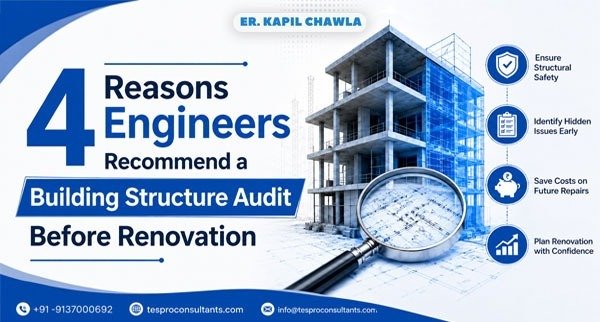
Every building stands safely only when its load-carrying parts work properly. Structural failure in buildings often starts when owners ignore small cracks, unusual deflection, or settlement signs. Columns and beams are the two most critical structural members, but their failure patterns are very different. Because of that, understanding these structural failure types helps owners take faster action before damage becomes dangerous. Also, proper beam and column design and timely structural analysis reduce risk, while early signs of structural failure support better decision-making. So, following practical building safety tips from experts can prevent major repair costs and protect lives. Understanding Structural Elements: Column vs Beam Columns and beams are the most important structural members, but they perform different roles in any building. So, knowing their function helps in better beam and column design and safety planning. Also, engineers classify different structural failure types based on how these elements respond under load conditions. Column Failure: Types and Mechanisms Column failure is highly critical because it can cause the sudden collapse of the structure, so understanding its behaviour is essential for understanding structural failure types. However, proper detailing, confinement, and accurate structural analysis can significantly reduce these risks and improve performance. Beam Failure: Types and Mechanisms Beam failure is generally less dangerous compared to column failure, but it still needs attention because it shows visible signs of structural failure before complete damage. Moreover, proper reinforcement and good beam and column design ensure that beams behave in a controlled and predictable manner. Key Differences: Column vs Beam Failure Understanding the difference helps in planning better building safety tips and design strategies. Aspect Beam Failure Column Failure Nature Ductile (slow) Brittle (sudden) Warning Visible cracks Very few signs Impact Local damage Total collapse Design Controlled failure Must be very strong Repair Possible Difficult Therefore, engineers always focus on avoiding structural failure in buildings by making columns stronger than beams. Warning Signs of Beam and Column Failure Early detection is possible if you observe the right signs of structural failure, so regular inspection is important to avoid structural failure in buildings. Also, following basic building safety tips, like avoiding extra load, can prevent major issues. Testing and Inspection Methods Testing helps in understanding the actual condition of the structure, so engineers use different methods for accurate structural analysis. In addition, these tests help classify different structural failure types and plan repairs effectively. Consult Er. Kapil Chawla from TESPRO Consultants for expert guidance, accurate inspections, and reliable structural solutions to avoid. Structural failure in buildings later. His experience ensures safe, strong, and long-lasting buildings for every project. Explore more: If planning to build your dream home?Check out Eternal Foundations—a helpful guide to building a strong, safe home that lasts for generations.📩 For a free e-book, email me at kapil.chawla@tesproconsultants.com

Importance of Soil Testing: A Must Step Before Starting Construction Work

Before starting any project, it is very important to understand the ground conditions because the entire structure depends on them. The importance of soil testing lies in checking whether the soil can safely carry the load of a building or not. So, engineers first study the soil before any design work begins. Also, this step helps in avoiding future problems like cracks, settlement, or foundation failure. In simple words, without proper testing, construction becomes risky and uncertain. Moreover, every site has different soil behaviour, so one standard design cannot work everywhere. This is the importance of soil testing. Why Soil Testing is Essential in Construction Projects Soil testing plays an important part in ensuring not only the structural integrity of buildings and other structures, but also how much weight/load can be placed on those grounds safely. Furthermore, if a site has weak soil, provide additional design support so that the design does not fail. So, the role of soil testing for construction is very important. Key points include: Therefore, proper testing is not optional but necessary. In addition, the importance of soil testing provides clear data to support safe engineering decisions. So, every project should start with soil analysis for better results. Key Soil Properties Engineers Analyze Engineers carefully study different soil features before designing because foundation safety depends on it. The focus on types of soil for foundation helps in selecting the correct construction method. Also, each soil type reacts differently under load, so proper classification is required. Soil Property What It Means Why It Matters Bearing Capacity Load soil can support Prevents sinking Moisture Content Water in soil Affects stability Soil Density Compactness of soil Improves strength Shear Strength Resistance to sliding Avoids collapse Permeability Water flow rate Controls drainage Moreover, engineers also check compaction level and soil movement. However, if these properties are ignored, structural safety can be affected. Types of Soil Tests Used in Construction Projects Different tests are performed to understand soil behaviour properly, and this is known as types of soil testing. Also, each test gives specific data that helps in safe design planning. So, engineers choose tests based on project size and soil condition. Common soil tests include: Moreover, lab tests and field tests are often combined for better accuracy. However, skipping any important test can lead to wrong assumptions. Expert Opinion on Soil Safety in Construction According to experts, proper ground analysis is the basis of safe engineering design. The concept of soil for building construction is critical because even strong structures fail on weak soil. Also, engineers recommend testing before every major project because soil conditions can change from one site to another. Risks of Ignoring Soil Investigation Before Building Ignoring proper checks during soil testing for house construction can create serious structural problems later. Also, many failures in buildings happen because soil conditions were not studied properly in the beginning. So, understanding risks is very important before starting work. Major risks include: Moreover, poor soil knowledge can reduce building life. However, proper testing prevents all these issues easily. Therefore, engineers always recommend soil analysis before design approval. TESPRO Consultants provides professional soil investigation services under the guidance of Er. Kapil Chawla and explain the importance of soil testing. With accurate testing methods and field expertise, he ensures safe foundation planning and strong construction outcomes for every project with precision and care. Explore more: If planning to build your dream home?Check out Eternal Foundations—a helpful guide to building a strong, safe home that lasts for generations. 📩 For a free e-book, email me at kapil.chawla@tesproconsultants.com

What is Structural Design? Understand It Before Building Your Home

Building a home is one of the biggest investments you will ever make in your life. Therefore, you must focus on the skeleton of the building to ensure it stays standing for decades. Most people focus on the paint or tiles, but the structural design building is the most important part of construction. This process involves calculating how the weight of the house will be managed so that the walls do not crack and the roof does not sag. If you understand the basics of what is structural design before you start, you can avoid very costly mistakes later on. What is Structural Design? Key Elements of Structural Design You Should Know Every building needs a strong skeleton to survive environmental pressure and daily use. A safe structural design depends on several key parts that work together to transfer weight safely into the ground. Because of that, you should know these basic parts before you talk to your contractor. ➤ Element ➤ Description Load Calculation Measures the total weight and forces on building Material Strength Selects strong materials like steel and concrete Foundation Design Supports and transfers the load to the ground Structural System Arrangement of beams, columns, and slabs Safety Factors Adds extra strength for unexpected conditions Soil Analysis Checks ground strength before construction Design Codes Follows standard safety rules and guidelines Types of Structural Design for Houses Engineers use different methods to build a home depending on the soil quality and the height of the building. Therefore, the structural design methodology used for a single-story home will be very different from that used for a large apartment building. In addition, your choice of material will change how the structural frames are designed by the experts. How Structural Design Affects Your Budget Many homeowners think that hiring a structural engineer is an extra expense that they do not need. However, the importance of structural design is actually seen in how much money it saves you on raw materials. If a design is efficient, you will not waste money on extra steel or cement that the building does not actually require. Tips for Homeowners Before Starting Construction Before you dig the first hole in the ground, you must have a clear plan on paper. You should ask your engineer what is structural design is specifically for your type of soil and location. Also, make sure that your architect and your structural engineer are talking to each other so the beauty of the house matches its strength. If you follow these simple steps, your construction process will be much smoother and stress-free. Er. Kapil Chawla from TESPRO Consultants offers professional structural design services. Contact for expert advice on building safe and efficient homes. Explore more: If planning to build your dream home?Check out Eternal Foundations—a helpful guide to building a strong, safe home that lasts for generations.📩 For a free e-book, email me at kapil.chawla@tesproconsultants.com

Difference Between Architect and Structural Engineer Every Homeowner Should Know

When people start building a house, the difference between architect and structural engineer often feels confusing. However, both experts play different but equally important roles. An architect focuses on space, design, comfort, and visual appeal, while structural engineers make sure the building stays safe and strong. Because of that, every homeowner should understand how architectural planning and strength design work together. Also, knowing architectural drawings vs structural drawings helps avoid mistakes during construction. In addition, properly prepared structural engineer drawings improve execution speed, reduce waste, and support construction safety from foundation to roof. Who is an Architect? An architect is a design professional who plans how your home will look and feel, but also ensures the space is useful. Because of that, they play a key role in architectural planning and creating functional spaces. Role of an Architect in Home Design Key Responsibilities of an Architect However, while they design the look, they depend on experts for strength, so knowing the difference between architect and structural engineer becomes useful. Who is a Structural Engineer? A structural engineer is a technical expert who ensures your building stands strong; because of that, they focus on safety and stability. They create detailed structural engineer drawings that guide construction teams. Role of a Structural Engineer in Construction Key Responsibilities of a Structural Engineer Therefore, understanding the difference between architect and structural engineer helps you see why both are essential. Key Difference Between Architect and Structural Engineer Aspect Architect Structural Engineer Main Focus Design and layout Strength and stability Work Type Creative planning Technical calculations Drawings Design layouts structural engineer drawings Role Stage Initial design Design validation and execution Safety Role Basic planning Ensures full construction safety However, both professionals must work together so that the gap between architectural drawings vs structural drawings is reduced. So, knowing the difference between architect and structural engineer helps avoid costly mistakes. Expert Opinion According to Er. Kapil Chawla: “Homeowners should never confuse design beauty with structural strength. Good architectural planning creates comfort, but only expert structural engineers and accurate structural engineer drawings ensure durability, service life, and complete construction safety.” How Architects and Structural Engineers Work Together Both professionals work as a team, but their roles are different, so coordination is very important. Design Sync Drawing Coordination Safety Checks Execution Support Moreover, this teamwork reduces errors, so the difference between architect and structural engineer becomes a strength instead of a gap. Er. Kapil Chawla from TESPRO Consultants offers expert guidance in both design and structure, so your project stays safe, efficient, and well-planned from start to finish. Explore more: If planning to build your dream home?Check out Eternal Foundations—a helpful guide to building a strong, safe home that lasts for generations.📩 For a free e-book, email me at kapil.chawla@tesproconsultants.com

Structural Design Methodology: Expert Insights from Structural Engineer in Gurugram

Our structural design methodology is built on a foundation of engineering rigour, code compliance, and practical constructability by a structural engineer in Gurugram and across India, aligned with the engineering design process. We adopt a systematic and analytical approach to ensure that every structure is safe, durable, and optimized for performance and cost efficiency. Design Philosophy Our approach to structural design is governed by the following principles of a structural engineer in Gurugram, supported by effective structural planning: Safety and Reliability All structures are designed to safely resist applied loads and environmental forces throughout their service life, ensuring strong structural analysis Serviceability and Performance Designs are checked for deflection, cracking, and vibration to ensure long-term usability and comfort, based on the structural system of a building. Economy and Optimization Efficient use of materials such as concrete and steel to achieve cost-effective solutions without compromising safety through structural design optimization. Constructability Designs are developed keeping in mind ease of execution, site conditions, and construction practices, following a robust engineering design process. Codes and Standards All structural designs are carried out in accordance with relevant Indian Standard codes and, where required, international best practices by a structural engineer in Gurugram and across India, ensuring compliance within the structural design methodology, including: Design Approach 1. Conceptual Structural Planning At the initial stage, an efficient structural system of a building is developed in coordination with architectural layouts by a structural engineer in Gurugram. Key considerations include: This stage establishes the foundation for an efficient and economical design through proper structural planning. 2. Load Assessment and Criteria Definition All relevant loads are evaluated based on project location and usage as part of the engineering design process: Design criteria such as load combinations, design life, and performance requirements are defined at this stage using detailed structural analysis. 3. Structural Analysis The structural system is analyzed using advanced engineering software to determine by a structural engineer: Both linear and, where required, advanced analysis techniques are adopted for accurate results within the structural design methodology. 4. Member Design and Detailing All structural components are designed to satisfy strength and serviceability requirements using structural design optimization, including: Detailed reinforcement and connection design ensure safe load transfer and durability within the defined structural system of a building. 5. Design for Durability Durability considerations are incorporated to enhance the lifespan of the structure through proper structural planning: 6. Design Optimization Design iterations are carried out to achieve structural design optimization: This results in economical and sustainable structural solutions aligned with the engineering design process. 7. Preparation of Detailed Drawings Comprehensive structural drawings and documents are prepared by a structural engineer in Gurugram and across India, including: These drawings ensure clarity and precision during construction execution and support effective structural analysis. 8. Coordination and Review Continuous coordination is maintained with teams following the structural design methodology: This ensures seamless integration of structural design with other disciplines and avoids conflicts during execution through efficient structural planning. 9. Construction Stage Support During the construction phase, we provide support as a structural engineer in Gurugram and all over India, ensuring accuracy in the structural system of a building: This ensures that the design intent is maintained throughout execution using proper structural analysis. Explore more: If planning to build your dream home?Check out Eternal Foundations—a helpful guide to building a strong, safe home that lasts for generations.📩 For a free e-book, email me at kapil.chawla@tesproconsultants.com
Common Structural Mistakes in Residential Buildings: Insights from Structural Engineer in Delhi

Building a home is a big decision, but many people focus only on design and ignore structure. However, a strong structure is what keeps your home safe for years. A structural engineer in Delhi who works all over India plays a key role in planning safe and stable homes. Because of that, ignoring technical steps like soil testing for construction or the role of structural engineer can lead to serious problems later. Also, regular structural audit of buildings help in identifying risks early. If you ignore structural irregularities in buildings, safety can be compromised. Therefore, a proper structural safety assessment is always important before and after construction. Common Structural Mistakes in Residential Buildings Many homeowners make simple but costly mistakes during construction. Because of that, buildings may face safety issues, cracks, or even failure over time. Lack of Proper Soil Investigation Before Construction Underestimating Load Calculations in Residential Buildings Poor Structural Layout and Column Placement Ignoring Structural Safety for Earthquake Resistance Lack of Proper Structural Drawings and Execution Unauthorized Modifications After Construction Expert Opinion A professional structural audit of buildings ensures your home remains resilient against environmental stress and ageing while maintaining its market value over decades. Therefore, investing in a structural safety assessment is the only way to identify hidden structural irregularities in buildings before they lead to costly repairs or dangerous collapses. Key Structural Components Every Homeowner Should Understand Homeowners should be aware of the primary elements that keep their roof standing. Because every part of the house works as a single unit, you must ensure each component is built with precision. Er. Kapil Chawla, the expert structural engineer at TESPRO Consultants, offers comprehensive structural audit of buildings and safety assessments, ensuring your building is safe and secure for the long term. Explore more: If planning to build your dream home?Check out Eternal Foundations—a helpful guide to building a strong, safe home that lasts for generations.📩 For a free e-book, email me at kapil.chawla@tesproconsultants.com