

A foundation is vitally important to every building project. A concrete slab is a level surface with four walls that will hold weight from above. Therefore, selecting the proper slab design will keep a structure durable for years. A poorly constructed slab can lead to deterioration and expensive repairs later on. Therefore, knowledge of types of slab design will provide engineers and developers with the tools necessary to better select designs that provide safety over time.
Factors to Consider Before Choosing a Slab Design
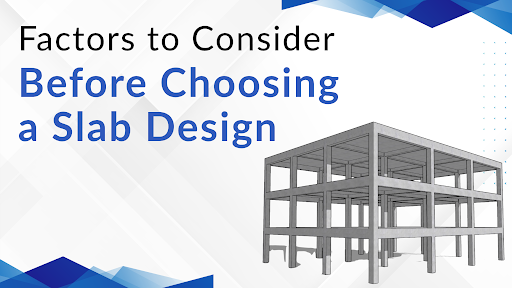
Selecting a slab isn’t just about looks; it is about physics and budget. Many factors influence which different slab types will work best for your specific site.
- Load Capacity: The amount of weight the floor must carry.
- Span Length: The distance between supporting columns or walls.
- Construction Time: How fast the floor needs to be ready.
- Total Budget: The cost of materials and labour for that specific style.
- Building Use: Whether it is for a house, an office, or a factory.
7 Common Types of Slab Design
There are many ways to build a floor, each serving a unique structural purpose in a project. We will now look at seven common slab design for houses and commercial buildings used today.
1. Conventional Slab
This is the most common type used in small buildings and homes. It is supported by beams and columns.
- Uses a system of beams to transfer weight.
- Simple to design and build on-site.
- Requires standard timber or steel formwork.
- Very cost-effective for shorter spans.
- Ideal for residential casting slab in construction projects.
2. Flat Slab
A flat slab does not use beams; instead, the concrete sits directly on the columns. This provides a clean, flat ceiling underneath.
- Offers more head height in rooms.
- Easier to install electrical and plumbing lines.
- Reduces the total height of the building.
- Requires thicker concrete around columns to prevent “punching.”
- Common in hotels and office buildings where aesthetics matter.
3. Waffle Slab (Grid Slab)
This slab looks like a grid or a waffle from underneath because it has deep ribs running in both directions.
- Used for very large open spaces with few columns.
- Lightweight but carries heavy loads easily.
- Uses less concrete than a solid thick slab.
- Provides a unique look for modern ceilings.
- Great for airports, malls, or large halls.
4. Ribbed Slab (Joist Slab)
- Very efficient for long, narrow rectangular spans.
- Saves on material costs by removing unnecessary concrete.
- Provides good sound insulation between floors.
- Often used in schools or hospitals.
- One of the most reliable slab construction methods for medium loads.
5. Hollow Core Slab
These are pre-made concrete planks that have long holes or “cores” running through the middle.
- Extremely fast to install because they are factory-made.
- The hollow centres reduce the overall weight of the structure.
- Cores can be used to hide wires or pipes.
- Offers excellent fire resistance.
- Reduces the need for on-site shuttering and curing.
6. Precast Slab
These slabs are cast in a factory environment and then shipped to the construction site for assembly.
- High-quality control since they are made in a lab setting.
- Not affected by bad weather during the pouring phase.
- Minimizes the amount of labour needed at the site.
- Very durable and long-lasting.
- A top choice for modern types of slab in civil engineering.
7. Post-Tensioned Slab
This design uses high-strength steel cables that are tightened after the concrete has hardened.
- Allows for much thinner slabs than traditional methods.
- Can span very long distances without many columns.
- Reduces the risk of concrete cracking over time.
- Highly efficient for parking garages and high-rise buildings.
- Requires specialized equipment and skilled labour to install.
Comparison of Different Slab Types
Each project has different needs, so comparing these options is the best way to find the right fit. If you are looking at types of slab design, this table simplifies the technical details for you.
| Slab Type | Best Use Case | Main Benefit | Construction Speed |
| Conventional | Small Houses | Low Cost | Moderate |
| Flat Slab | Offices/Hotels | Flat Ceilings | Fast |
| Waffle Slab | Malls/Airports | Long Spans | Slow |
| Ribbed Slab | Hospitals | Material Saving | Moderate |
| Hollow Core | Rapid Builds | Lightweight | Very Fast |
| Precast | Large Housing | Quality Control | Fast |
| Post-Tensioned | High-Rises | Thin Design | Moderate |
For expert structural advice, consult Er. Kapil Chawla at TESPRO Consultants. He provides high-end engineering solutions and steel optimization, guides many types of slab design to ensure your construction project is safe, efficient, and cost-effective.
Explore more: If planning to build your dream home?
Check out Eternal Foundations—a helpful guide to building a strong, safe home that lasts for generations.📩 For a free e-book, email me at kapil.chawla@tesproconsultants.com