tespro consultants

admin

Civil Structural Design Services for Long Lasting and Sustainable Projects

Every strong building starts with a good plan. A perfect civil structural design makes sure that every part of the building stays safe, strong, and lasts for years. Because of that, more people now look for designs that are strong and also good for the environment. A smart design saves energy, reduces waste, and uses materials wisely. Therefore, choosing the right design experts is the best way to build safe, strong, and eco-friendly structures. Understanding Civil Structural Design Services Civil structural design means creating a plan that keeps buildings safe, balanced, and long-lasting. It combines creative thinking with engineering skills to make strong and useful spaces. Here’s what it includes: Because of these steps, experienced structural design consultants help create safe buildings and reduce repair or rebuilding costs later. Why Sustainable Structural Design Matters Today Sustainable design helps protect both people and nature. A well-made civil structural design supports green living while keeping the building strong. Also, it reduces energy and repair costs in the future. Here’s how it helps: So, when you work with expert engineering design consultants, your project becomes safe, strong, and kind to the environment. Common Mistakes to Avoid in Structural Design Projects Some small mistakes in civil structural design can cause big problems later. But if you choose experts, these mistakes can be avoided easily. Let’s see some common mistakes and how professionals prevent them: Because of that, hiring skilled designers ensures your structure is safe, modern, and long-lasting from the very beginning. Key Elements of Long-Lasting Structural Projects Long-lasting buildings are made with care and attention. Good civil structural design focuses on strong planning and the right materials. Here are the main things that make buildings last longer: Because of these elements, civil engineering design projects become safer, more reliable, and easier to maintain. Modern Techniques Used in Structural Design Technology has made civil structural design more accurate and faster. Today, engineers use smart tools to create better and safer buildings. Here are some modern methods: Therefore, modern civil engineering structural design helps create safer, more durable, and more environmentally friendly buildings that meet today’s needs. FAQs 1. What is Civil Structural Design?It means making safe and strong building plans using the right materials, proper load study, and smart design techniques. 2. Why is sustainable design important?It uses eco-friendly materials and saves energy, which helps protect nature and also reduces long-term maintenance costs. 3. Why should I choose professional structural design consultants?They use the right tools, follow safety rules, and make sure your project stays strong, safe, and within your budget. Looking for trusted experts in civil structural design? Choose TESPRO, one of the best civil engineering companies for safe, smart, and sustainable designs built to last. Explore more: If planning to build your dream home?Check out Eternal Foundations—a helpful guide to building a strong, safe home that lasts for generations. 📩 For a free e-book, email me at kapil.chawla@tesproconsultants.com
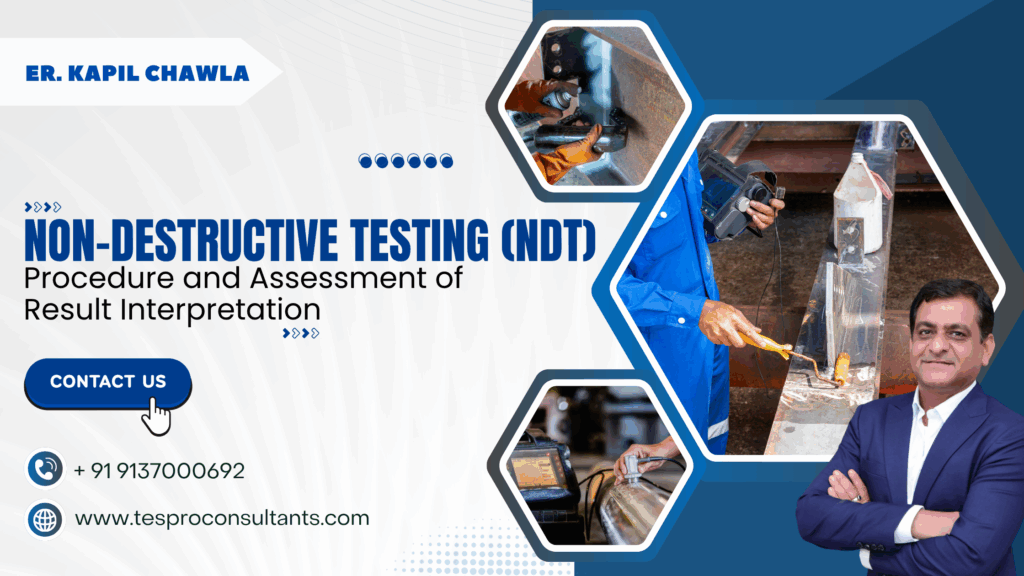
Non-Destructive Testing (NDT) Procedure and Assessment of Result Interpretation

In the realm of civil and structural engineering, assessing the health of an existing structure without causing damage is both an art and a science. Over time, structures are subjected to environmental exposure, material deterioration, overloading, and poor maintenance—all of which can affect their performance and safety. Non-Destructive Testing (NDT) has emerged as a reliable and scientific method for evaluating the in-situ condition of concrete and reinforcement without harming the structure. These techniques provide vital insights into the material quality, strength, and integrity, helping engineers make informed decisions about rehabilitation, retrofitting, or continued service. Unlike destructive testing methods that require physical removal of samples, NDT preserves the structural integrity while delivering meaningful diagnostic data—making it indispensable in modern structural assessment practices and structural health monitoring. Why Non-Destructive Testing? The primary objective of NDT in concrete is to evaluate the strength, durability, and internal soundness of a structure while keeping it operational. The key benefits include: NDT forms the foundation of any RCC building evaluation, particularly for aging buildings, bridges, industrial structures, and heritage properties. Common Non-Destructive Testing Methods in Civil Structures 1. Rebound Hammer Test (IS 13311 – Part 2) The Rebound Hammer Test, also known as the Schmidt Hammer Test, is one of the most widely used methods to assess the surface hardness and indirectly concrete strength estimation. Limitations:Results are influenced by surface conditions, carbonation, and aggregate type. Hence, the test should be supplemented with core testing or UPV for reliable estimation. 2. Ultrasonic Pulse Velocity (UPV) Test (IS 13311 – Part 1) The UPV test evaluates the quality and homogeneity of concrete by measuring the velocity of ultrasonic waves passing through it. When combined with rebound hammer data, UPV allows a more accurate correlation-based estimation of compressive strength. 3. Half-Cell Potential Test (ASTM C876) This electrochemical method assesses the probability of corrosion in embedded reinforcement. Note: The test indicates the likelihood of corrosion, not the corrosion rate. 4. Carbonation Depth Test The carbonation test reduces the alkalinity of concrete, breaking down the natural protective layer around reinforcement bars. If the carbonation depth exceeds the cover, corrosion is likely to initiate. 5. Cover Meter Survey The cover meter (or rebar locator) uses electromagnetic induction to determine reinforcement cover, bar size, and spacing. 6. Core Extraction and Testing (IS 516) While technically semi-destructive, core extraction remains the most reliable method for determining actual in-situ compressive strength. Step-by-Step NDT Procedure 1. Planning and Layout 2. Surface Preparation 3. Conducting Tests 4. Data Correlation and Analysis 5. Validation Interpretation of Results Interpreting NDT results requires engineering judgment and data correlation. No single test can represent the full picture; the combination of results provides the most reliable assessment. Test Parameter Typical Range / Interpretation Rebound Number >30: Good, 20–30: Fair, <20: Poor UPV (km/s) >4.5: Excellent, 3.5–4.5: Good, 3.0–3.5: Medium, <3.0: Doubtful Half-Cell Potential (mV) < -200: Low corrosion risk, -200 to -350: Uncertain, > -350: High corrosion risk Carbonation Depth Should be less than cover thickness While these indicative ranges help, contextual interpretation—considering structure age, environmental exposure, and loading—is vital. Reporting and Recommendations A professional NDT report should include the following: The report should present conclusions in clear engineering language, emphasising observed distress, likely causes, and the structure’s current load-carrying capacity. Conclusion Non-Destructive Testing is not merely a set of field procedures—it’s a diagnostic framework for making engineering decisions. When interpreted with experience and judgment, NDT results provide invaluable insights into material behaviour, durability, and safety. For consultants, contractors, and asset owners, NDT forms the foundation for cost-effective rehabilitation planning, risk mitigation, and lifecycle extension of critical structures. As structures age, proactive evaluation through NDT ensures that we don’t just build safely but sustain safely through effective structural health monitoring and precise concrete strength estimation. Explore more: If planning to build your dream home?Check out Eternal Foundations—a helpful guide to building a strong, safe home that lasts for generations.📩 For a free e-book, email me at kapil.chawla@tesproconsultants.com

Need Structural Safety in Your Project? A Civil Structural Engineer Can Help You Plan Better

When you start any construction project, you must ensure it is safe. Whether you are building a house, office, or another structure, the building’s strength depends on good planning, skilled engineers, and quality materials. A civil structural engineer plays a key role in this. They design, plan, and make sure your project is safe and strong, ensuring it meets all safety standards for long-lasting stability. Why Structural Safety Should Be Your First Priority Structural safety is very important for the strength and long life of any building. Firstly, here are some reasons why it should come first: How a Civil Structural Engineer Ensures Safety in Your Project A civil structural engineer makes sure your building is safe. Here’s how they do it: Early Planning with a Structural Engineer Makes the Project Smoother Starting your project with a structural design engineer can make the whole process easier. Here’s why: FAQs About Structural Safety and Engineers Q1: What is the role of a civil structural engineer?A civil structural engineer designs and plans buildings to ensure they are safe and strong. They check the site, pick materials, and work with builders. Q2: Why is structural safety important in construction projects?Structural safety is important because it keeps people safe, prevents accidents, and ensures the building lasts longer. It also ensures the building follows the law. Q3: How do structural engineers monitor a building’s safety over time?Structural engineers use structural health monitoring in civil engineering to check how the building is doing. This helps find problems early and keeps the building safe. Strong Projects Begin with Safe Structural Planning A safe structural plan is key to making sure your project works. Here’s why: When you want to build safely, Tespro Consultants is a great choice. Their team of trained engineers helps with structural analysis in Delhi and structural health monitoring in civil engineering. Tespro plans your project carefully and builds it the right way. Their experts make sure your structure stays strong and safe for many years.

Top-Rated Expert Commercial Building Design Services for Commercial Projects

When it comes to modern commercial projects, the foundation of success lies in commercial building design that meets both functionality and style. A well-planned design not only ensures safety but also enhances the overall appeal of the project. Businesses demand innovative layouts, architects seek sustainability, and developers look for cost efficiency. Because of that, choosing professionals like TESPRO Consultants becomes the smartest move. With their strong experience in civil structural design, they make sure every project feels solid, efficient, and future-ready. Unlike generic plans, their expertise in structural design companies ensures practical solutions that stand the test of time. Key Components of Effective Commercial Building Design Experts build a great commercial project step by step, paying attention to each component. When they do it correctly, the project sets a standard in both safety and performance. The right structural engineering design services integrate these essential elements: By covering these aspects, experienced experts in civil engineering structural design deliver commercial spaces that inspire confidence. Benefits of Expert Commercial Building Design Services When professional teams take charge, the advantages are easy to see. In addition, it saves clients from costly mistakes and delays. Choosing TESPRO Consultants for commercial building design offers benefits like these: Therefore, the right expertise guarantees not just a building but a long-term investment. Key Features of Top-Rated Commercial Design Services Not all design providers are the same. A trusted partner like TESPRO Consultants adds unique qualities that make them stand out. So, if you are searching for high-performing commercial building design, here are the features you should expect: Because of these qualities, clients receive projects that truly reflect excellence. Types of Commercial Projects Covered Different commercial needs demand different design solutions. Since TESPRO Consultants have vast experience in commercial building design, their service offerings cover multiple projects: So, no matter the scale, they can handle all types of projects with creativity and technical precision. Why Quality Design Matters in Commercial Projects? Quality plays a huge role in the long-term success of any business property. Moreover, strong planning prevents costly future fixes. This is why working with TESPRO Consultants in commercial building design is the smartest choice: Therefore, quality design is not just a choice—it is a necessity for success in today’s demanding commercial world. Explore more: If planning to build your dream home?Check out Eternal Foundations—a helpful guide to building a strong, safe home that lasts for generations. 📩 For a free e-book, email me at kapil.chawla@tesproconsultants.com
How Structural Engineer Drawings Help Prevent Construction Failures?

Every building begins with an idea, but safe construction depends on proper planning. Structural engineer drawings are like the basics of a project. They guide builders step by step, showing how each part should be placed and supported. Without these, even the best ideas can fail. So, a structural design engineer ensures that these drawings are accurate, practical, and safe. So, the difference between a strong building and a risky one often lies in these drawings prepared by trusted structural design companies. With the right civil & structural engineering design, every project can move ahead with confidence, safety, and strength. In the end, a perfect structural design building is not luck—it is the result of careful planning and detailed drawings. Key Elements Found in Structural Engineer Drawings A construction plan is only complete when it includes key details that make a building safe and strong. So, the following are the most important parts found in structural engineer drawings: Each of these elements connects to the other, and together they make construction easier, safer, and more efficient. Importance of Structural Engineer Drawings in Construction The real strength of a project depends on how well the structural engineer drawings are used. So, below are the reasons why they matter so much: Because of that, these drawings are not just papers—they are guides that protect lives and investments. Common Construction Failures Without Proper Structural Drawings If a project skips detailed structural engineer drawings, serious problems may appear. So, some common failures include: However, these issues are preventable if professional drawings are prepared from the start. How Structural Engineer Drawings Prevent These Failures The purpose of structural engineer drawings is to stop failures before they happen. So, here’s how they help: So, detailed drawings are not just instructions but protection against risks that can cost lives and money. Why You Should Always Consult a Structural Engineer Even small projects benefit from professional help. So, choosing a team that understands structural engineer drawings makes all the difference. Here’s why you should consult experts like TESPRO Consultants: If you want to build strong, durable, and safe structures, then TESPRO Consultants is your reliable partner. Thus, with years of expertise and a focus on safety, we make sure your construction journey is smooth and successful. Explore more: If planning to build your dream home?Check out Eternal Foundations—a helpful guide to building a strong, safe home that lasts for generations. 📩 For a free e-book, email me at  kapil.chawla@tesproconsultants.com 
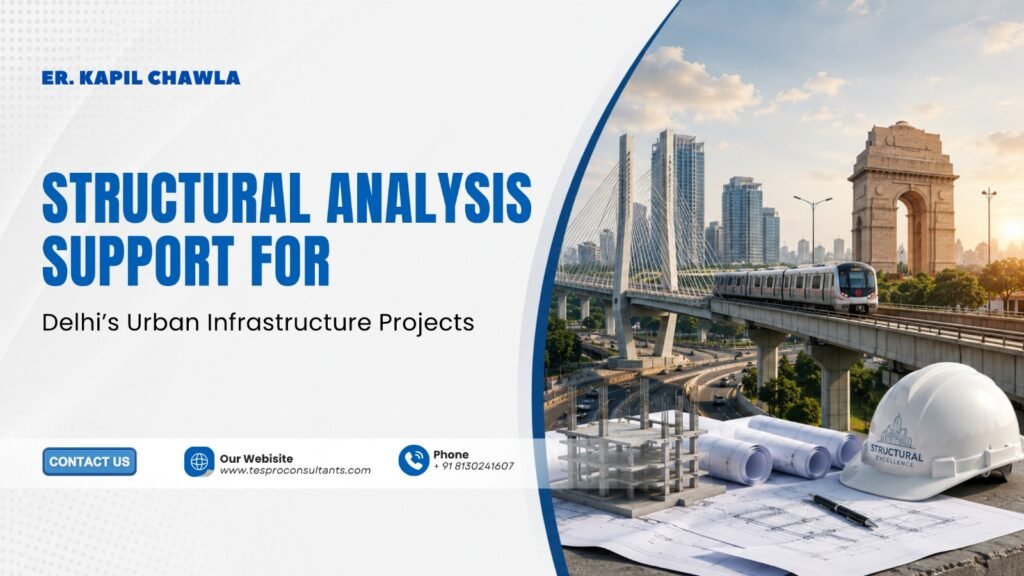
Structural Analysis Support for Delhi’s Urban Infrastructure Projects

Delhi is growing fast. As a result, the city requires numerous new buildings, roads, bridges, and other essential infrastructure. But if these things are not strong, they can become unsafe. That is why structural analysis in Delhi is critical. It helps check if a structure is safe and strong. If there is any weak part, it can be fixed early. This saves money and time. Also, it protects people from danger. Tespro Consultants helps many builders and engineers by checking all the small and big details in a project. Their support makes sure every building and road is built the right way. Why Urban Infrastructure Projects Need Structural Analysis Support? Urban projects like bridges, buildings, flyovers, and metros need to be very safe and well-planned. There are many reasons why these projects need help from experts. Key Areas Where Structural Analysis Is Used There are many types of buildings and projects in Delhi. Each one needs to be checked before and after building. Structural analysis in Delhi helps in these areas: How Structural Analysis Works: Step-by-Step? Tespro Consultants follows clear and simple steps to check buildings and other structures. These steps help find problems early. Benefits of Structural Analysis in Urban Projects Doing proper structural analysis gives many good results for both builders and the city. A Must-Have Step for Modern Infrastructure Every big or small project today needs structural analysis. It helps make strong and safe cities. These are some reasons why it must be done: Discover More: If you want to explore how to build a home that is not only affordable but also durable and aesthetically pleasing, check out this guidebook on Building Homes on a Budget. It’s an excellent resource for understanding how innovative construction techniques, material choices, and smart design strategies can help you create a dream home without compromising on quality. Book: https://amzn.in/d/0ttxlhZ  For a free e-book, email me at kapil.chawla@tesproconsultants.com 

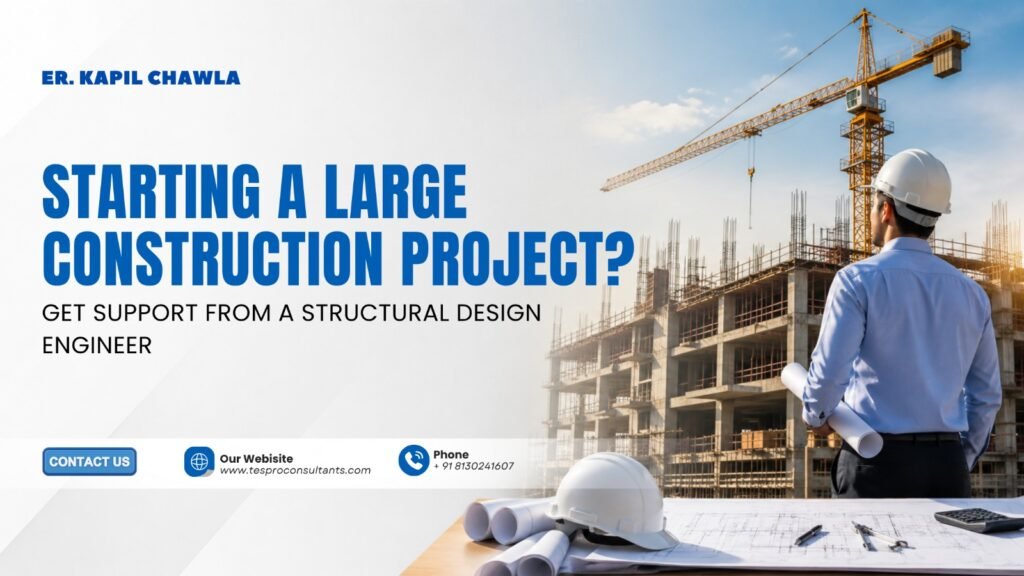
Starting a Large Construction Project? Get Support from a Structural Design Engineer

When you start a large construction project, many things need to be done the right way from the beginning. But many people forget to hire a good structural design engineer. This expert helps keep your building safe, strong, and well-designed. Because of that, the work becomes easier, safer, and saves money. Whether you are building a tall building or a factory, a civil structural engineer is very important. So, if your project is in the capital city or wherever, getting help with structural analysis in Delhi is a smart choice. Structural Design Engineer Helps Handle Complex Construction Structures Large structures need expert planning. Here’s how a structural design engineer makes a difference: Following Safety Codes Is a Must in Every Construction Project Safety is not optional—it’s a must. If you skip codes, your building may not get approved or, worse, may not be safe. So, a structural design engineer ensures you meet all standards: Common Mistakes Contractors Make Without a Structural Engineer Contractors are experts in execution, but skipping a structural design engineer can lead to costly errors. Let’s look at common mistakes: FAQs Q1. What’s the difference between an architect and a structural engineer?Architects focus on design and space. Structural engineers handle the strength, material, and structural analysis in Delhi or wherever your site is. Q2. Can Tespro Consultants handle industrial projects too?Absolutely. Tespro has vast experience in industrial structural design and other civil engineering support. Choosing the Right Structural Design Engineer for Your Project Picking the right engineer is key to avoiding risk and delay. So, here’s how to choose wisely—and why Tespro Consultants should be your first call: Planning to build your dream home?Check out Eternal Foundations – a helpful guide to build a strong, safe home that lasts for generations.📩 For a free e-book, email me at kapil.chawla@tesproconsultants.com

Local Architects Aren’t Structural Engineers: The Danger in Smaller Indian Cities

India’s smaller cities are experiencing a construction boom. From family homes to shopping complexes, Tier-2 and Tier-3 cities are expanding rapidly. But behind this growth lies a silent crisis — the neglect of structural engineering. Many new buildings are coming up without the involvement of qualified structural engineers, which puts safety and longevity at risk. Instead of consulting certified structural engineers, many homeowners and contractors rely on local architects or draftsmen to prepare structural drawings. While this may appear convenient and cost-effective, it often results in unsafe, uneconomical, and short-lived buildings. Unfortunately, the lack of professional guidance from structural design companies or experienced structural design engineers can create structures that look stable today but fail tomorrow. Why Structural Engineering Matters? Structural engineering is more than just calculations — it is the science and art of making buildings safe, durable, and economical. So, A civil structural engineer ensures: Without expertise from professional structural engineers, structures may appear stable in the short run but fail under stress, causing financial, emotional, and safety risks. Also, proper structural engineering design services include structural health monitoring during and after construction, ensuring early detection of potential weaknesses. Why Smaller Cities Rely on Architects for Structural Design Several factors explain why structural engineers are often sidelined in Tier-2 and Tier-3 cities: Because of these reasons, even new residential and commercial projects rarely involve proper structural engineering design services, leaving structures vulnerable to future problems. The Long-Term Repercussions Neglecting structural engineers might not show immediate effects, but long-term risks are significant: These problems can be minimised by involving structural engineers and utilising professional structural engineering design services from reputable structural design companies. Why Structural Engineers Are Indispensable A professional structural engineer adds value beyond just “signing off” drawings: Moreover, hiring a certified structural design engineer ensures that every building undergoes proper structural health monitoring, which detects early signs of structural weakness and prevents future accidents. This proactive approach benefits both residential and commercial projects. The Way Forward We need to make changes at multiple levels to address this silent crisis. By taking these steps, smaller cities in India can transform unsafe, short-lived constructions into buildings that stand the test of time. Conclusion India’s Tier-2 and Tier-3 cities deserve safe, durable, and disaster-resistant buildings. But this can only happen when structural engineers are recognised and involved in every project. Local architects may design spaces beautifully, but they cannot replace the technical expertise of structural engineers. For the safety of families, communities, and cities, structural engineering must become a non-negotiable part of construction in every corner of India. At TESPRO Consultants, we are dedicated to bringing top-tier structural engineering solutions, ensuring that every project is built with precision, safety, and long-term stability in mind. Explore more: If planning to build your dream home?Check out Eternal Foundations—a helpful guide to building a strong, safe home that lasts for generations. 📩 For a free e-book, email me at  kapil.chawla@tesproconsultants.com 
The Importance of Hiring a Structural Engineer in Non Destructive Testing (NDT) and Recommendations 

When it comes to the safety, durability, and functionality of a building, the role of a structural engineer goes far beyond just designing beams and columns. One of the most crucial yet often overlooked areas where their expertise is invaluable is in non destructive testing (NDT) and the recommendation process that follows. Non destructive testing techniques—such as ultrasonic testing, rebound hammer test, ground-penetrating radar, and ultrasonic pulse velocity—allow engineers to assess the health of existing structures without causing any damage. But raw test data alone is not enough. It takes the trained eye of structural engineering companies to interpret results, identify hidden risks, and chart a safe path forward using the right structural testing methods. Why Non Destructive Testing Needs a Structural Engineer? By combining knowledge of structural testing methods with real-world engineering expertise, they ensure that the data from non destructive testing translates into reliable solutions. Risk Mitigation and Future Safety Hiring a structural engineer during the NDT and recommendation stage brings long-term advantages: Structural engineering companies often highlight that using non destructive testing at early stages can save huge costs by preventing failures and extending building life cycles. Real-World Scenarios These scenarios show how non destructive testing and the types of NDT testing applied can vary depending on building usage, design, and age. Each structure requires a tailored approach. The Engineer’s Role: From Testing to Trust Non destructive testing is a diagnostic tool, but without an engineer, it’s like having a medical report without a doctor to explain it. So, structural engineers bridge this gap by: The rebound hammer test, for example, might indicate surface hardness, but engineers must connect it with deeper structural testing methods before declaring a structure safe. Conclusion Buildings are long-term assets, and their safety cannot be left to chance. Non destructive testing provides powerful insights, but it is the structural engineer’s expertise that turns data into actionable decisions. By choosing TESPRO Consultants, you get access to the right types of NDT testing and guidance from one of the most experienced structural engineering companies. With our expert team, owners and builders can ensure their structures remain safe, durable, and future-ready. Explore more: If planning to build your dream home?Check out Eternal Foundations—a helpful guide to building a strong, safe home that lasts for generations. 📩 For a free e-book, email me at  kapil.chawla@tesproconsultants.com 
Starting a Civil Project? Get Expert Structural Health Monitoring in Civil Engineering

When you start any civil project, you aim to make it safe, strong, and built to last for many years. This is why structural health monitoring in civil engineering is so important. It means engineers check the strength and safety of a structure from the start of construction until people use it. If they find any small problem early, they fix it before it becomes a big and costly issue. A trained civil structural engineer makes sure every part of the project follows safety rules and quality standards. At Tespro Consultants, we use simple but modern tools to check the health of structures. Because of that, our clients get projects that are safe, reliable, and long-lasting. Importance of Structural Health Monitoring in Civil Engineering for Civil Projects Monitoring is not something you do only at the end of a project. Structural health monitoring should happen from the beginning because it keeps everything safe and helps save money. Here’s why it is important: Role of Experts in Delivering Accurate Monitoring Results The right experts can make a big difference in project safety. A civil structural engineer knows exactly how to check a structure in the best way. Here’s how experts help: Key Techniques Used in Structural Health Monitoring There are many ways to check the safety and strength of a structure. Some of the main techniques are: Myths and Facts Some people believe wrong things about monitoring in civil projects. Here are two myths and the real facts: When to Start Structural Health Monitoring in Your Project The best time to start monitoring is as early as possible. Here’s when you should begin: If Planning to build your dream home?Check out Eternal Foundations – a helpful guide to build a strong, safe home that lasts for generations.📩 For a free e-book, email me at kapil.chawla@tesproconsultants.com