

Warehouse floors are designed to withstand heavy loads, continuous movement of forklifts, pallet trucks, and storage racks. Yet, flooring deterioration is one of the most common issues observed during structural audits of industrial buildings in Noida. Cracks, surface dusting, joint failures, and settlement are often ignored initially — but if left unattended, they can lead to operational disruptions, safety hazards, and expensive repairs. This is where a structural audit of buildings in Noida can help identify early signs of damage.
Let us understand the major causes.
1. Overloading Beyond Design Capacity
Many warehouses change usage over time. Storage loads increase, racking systems become heavier, or machinery is added.
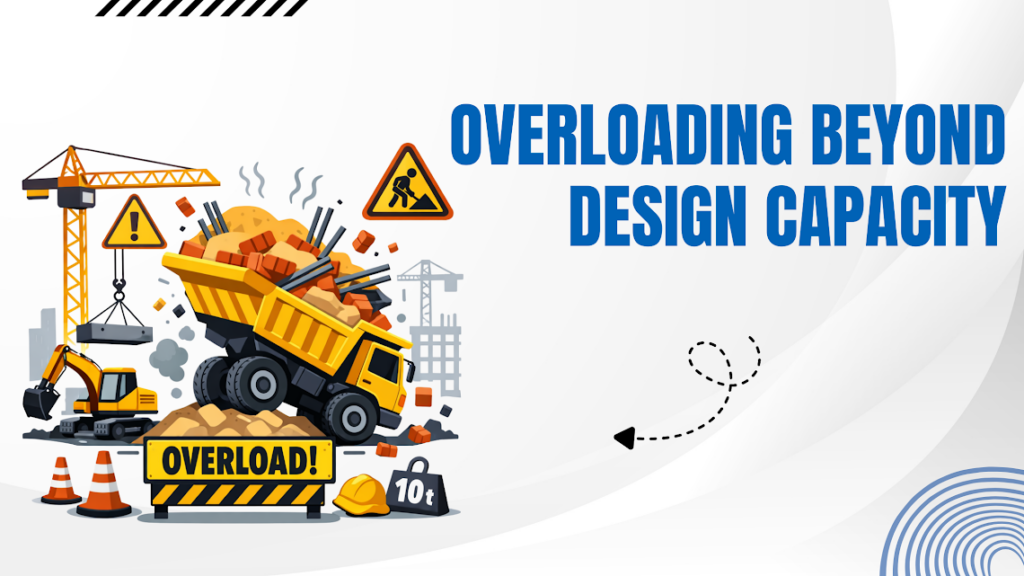
If the floor was originally designed for lower loads and is now subjected to:
- Heavy forklift traffic
- High rack point loads
- Concentrated machinery loads
It can lead to cracking, settlement, and joint failure. A structural audit of buildings in Noida can identify these issues before they escalate.
Lesson: Floor design load must match operational reality. A structural health assessment helps ensure the load capacity is adequate for current usage.
2. Poor Subgrade Preparation
A concrete floor is only as strong as the soil beneath it. Structural safety assessments often reveal issues related to improper subgrade preparation.
Common issues include:
- Improper soil compaction
- Weak or expansive soil
- Inadequate granular sub-base
This results in differential settlement and cracks across the slab. During audits, subgrade failure is one of the most overlooked causes.
3. Inadequate Floor Thickness
In heavy-duty warehouses, slab thickness is critical. A structural audit of buildings in Noida often focuses on ensuring that slab thickness meets the required specifications.
If the slab thickness is insufficient:
- Wheel loads cause flexural cracks
- Slab corners break under repeated loading
- Punching-type distress may occur under racks
Proper design must consider wheel load analysis, impact factors, and load repetitions.
4. Improper Concrete Mix or Poor Workmanship
Floor performance heavily depends on concrete quality. During a structural assessment of existing buildings, improper concrete mix or poor workmanship is often identified as a major issue.
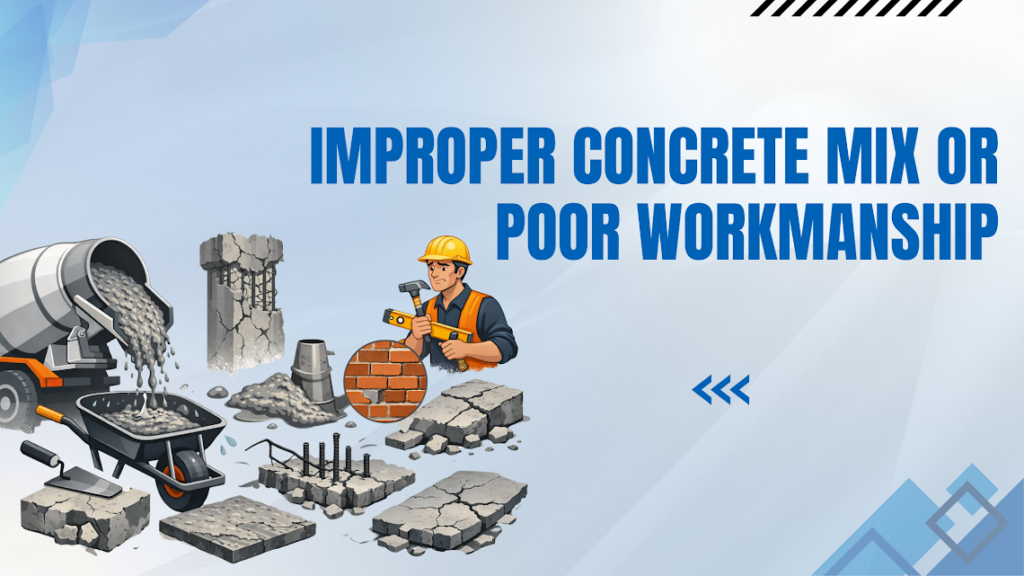
Common issues include:
- High water-cement ratio
- Low-grade concrete
- Improper compaction
- Poor curing
This leads to surface dusting, abrasion, and reduced durability, which are identified during a building structure audit.
5. Joint Failure and Spalling
Warehouse floors contain construction and expansion joints. Structural engineers in Noida often highlight issues related to joint failure in their assessments.
Due to:
- Repeated forklift impact
- Lack of joint fillers
- Poor joint detailing
Edges start breaking (spalling), creating operational hazards. Joint distress is often the first visible sign of flooring failure, which is identified during a structural audit of buildings in Noida.
6. Surface Abrasion
Continuous forklift movement causes:
- Wearing of the top surface
- Loss of smoothness
- Dust generation
If a floor hardener was not used or finishing was poor, surface deterioration accelerates. A structural audit of buildings in Noida can detect this problem early.
7. Moisture and Chemical Exposure
Absence of vapor barrier can cause:
- Rising dampness
- Surface weakening
Chemical spills (oils, acids, salts) can further degrade concrete over time. A structural health assessment helps identify moisture-related issues that may affect the integrity of the flooring.
8. Poor Drainage and Water Accumulation
Water stagnation softens the subgrade and reduces bearing capacity. This ultimately leads to slab settlement and cracking. Structural safety assessments often uncover poor drainage systems contributing to floor damage.
Why Early Assessment Is Critical
Warehouse flooring issues are not just cosmetic problems. They can lead to:
- Operational downtime
- Increased maintenance cost
- Forklift damage
- Safety hazards for workers
- Structural liability risks
A professional structural assessment helps identify:
- Whether distress is surface-level or structural
- Whether repair or full replacement is required
- Whether the load capacity is adequate for current usage
Final Thoughts
Warehouse flooring deterioration is usually not due to one single cause — it is a combination of design, construction quality, soil behaviour, and operational loading. Regular structural audits of buildings in Noida are essential for identifying issues before they cause significant damage.
Periodic structural inspection and load verification can significantly extend the life of industrial flooring systems, ensuring structural integrity and operational efficiency.
Explore more: If planning to build your dream home?
Check out Eternal Foundations—a helpful guide to building a strong, safe home that lasts for generations.📩 For a free e-book, email me at kapil.chawla@tesproconsultants.com