
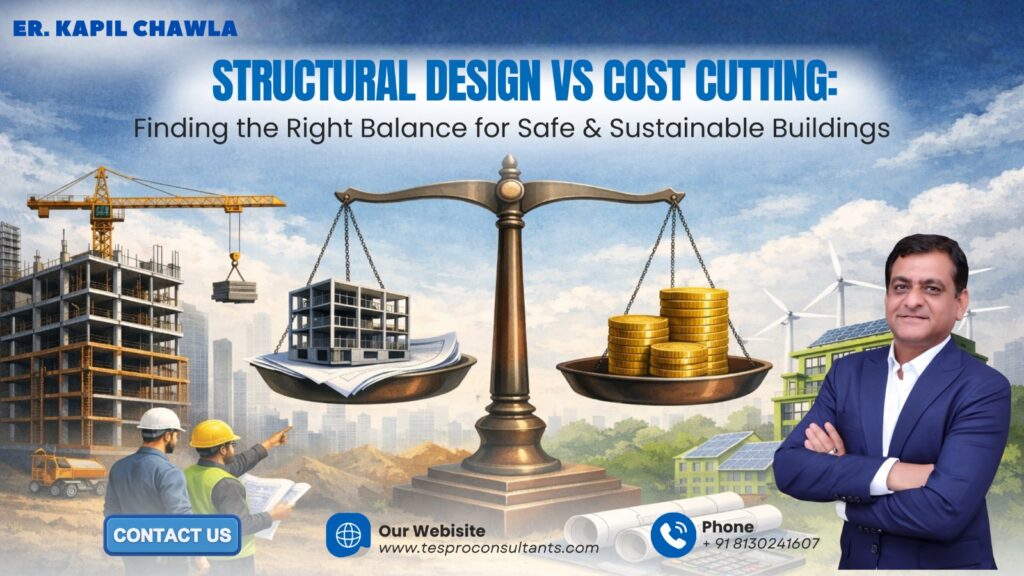
In today’s competitive construction environment, cost-cutting often becomes a primary focus. While controlling project budgets is important, confusing cost-cutting with efficient structural design can lead to serious consequences—from safety risks to long-term financial losses. Understanding the difference between the two is critical for developers, builders, and homeowners alike, especially when considering cost optimization in construction strategies.
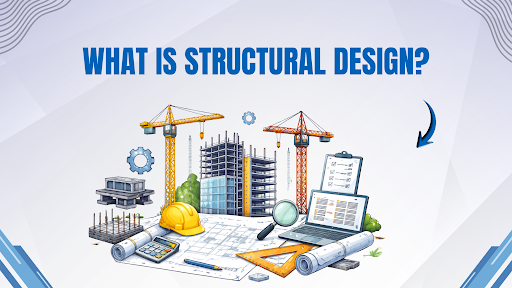
What Is Structural Design?
Structural design is the engineering process of creating a safe, durable, and efficient load-resisting system for a building. Proper structural design building planning ensure stability and performance throughout its lifecycle. It considers:
- Load calculations (dead, live, wind, seismic)
- Soil conditions and foundation behaviour
- Material selection and structural detailing
- Compliance with applicable codes and standards following structural design codes
- Serviceability, durability, and lifecycle performance
A well-designed structure is not about over-design or under-design—it is about right structure design.
What Is Cost Cutting in Construction?
Cost-cutting typically involves reducing upfront expenses, often by ignoring proper structural design optimization principles and instead:
- Lowering material quantities arbitrarily
- Using substandard or non-tested materials
- Reducing reinforcement or member sizes without engineering justification
- Skipping proper testing, supervision, or detailing
While this may show immediate savings on paper, it often leads to hidden and recurring costs later, especially when structural safety assessment is overlooked.
Structural Design Is Not Cost-Cutting—It Is Cost Optimization
A common misconception is that a “cheaper structure” is a “better structure.” In reality, true structure design focuses on engineering accuracy and long-term efficiency.
| Structural Design | Cost Cutting |
| Based on engineering calculations | Based on assumptions |
| Optimizes material usage | Reduces material blindly |
| Ensures safety & code compliance | Often compromises safety |
| Low maintenance over lifecycle | High repair & retrofitting costs |
| Long-term value | Short-term savings |
Good structure design actually saves money—not by reducing safety, but by eliminating inefficiencies through proper structural safety assessment and planning.
The Hidden Cost of Poor Design Decisions
When cost-cutting overrides structural logic and ignores professional structure design practices, projects may face:
- Excessive cracks and deflections
- Seepage and durability issues
- Frequent repairs and strengthening work
- Reduced building life
- Legal liabilities and reputational damage
In seismic zones or industrial structures, such compromises can be catastrophic if structural design codes are not properly followed.
Smart Structural Design: Where Savings Truly Come From
Experienced structural engineers achieve economy through effective structural design optimization, including:
- Optimized member sizing (not minimum sizing)
- Efficient load paths and framing systems
- Correct choice of materials and grades
- Value engineering without compromising safety
- Coordination with architects and MEP teams early
These measures often reduce steel and concrete quantities naturally, supporting cost optimization in construction without risking performance.
A Strong Structure Is an Investment, Not an Expense
A building stands for decades. Saving a small percentage during construction by weakening structural intent instead of investing in proper structure design can result in multiple times the cost in repairs, retrofits, and downtime later.
The cheapest structure is often the most expensive one in the long run, especially when structural design building fundamentals are ignored.
Final Thoughts
Structure design and cost-cutting are not opposing concepts, but they must be clearly distinguished.
- Structural design = safety, optimization, and longevity
- Blind cost cutting = risk, repairs, and regret
Choosing the right structural engineer ensures your project is economical, safe, and future-ready—backed by proper structural safety assessment and compliance with structural design codes.
If you’re planning a new project or reviewing an existing structure, invest in proper structure design—not shortcuts.
A strong structure design today ensures peace of mind and savings tomorrow.
Need help with value engineering, structural audits, or optimized designs? Let’s build smart, safe, and sustainable with the right structure design approach.
Explore more: If planning to build your dream home?
Check out Eternal Foundations—a helpful guide to building a strong, safe home that lasts for generations.📩 For a free e-book, email me at kapil.chawla@tesproconsultants.com